Subscriber First Name ͏ ͏ ͏ ͏ ͏ ͏ ͏ ͏ ͏ ͏ ͏ ͏ ͏ ͏ ͏ ͏ ͏ ͏ ͏ ͏ ͏ ͏ ͏ ͏ ͏ ͏ ͏ ͏ ͏ ͏ ͏ ͏ ͏ ͏ ͏ ͏ ͏ ͏ ͏ ͏ ͏ ͏ ͏ ͏ ͏ ͏ ͏ ͏ ͏ ͏ ͏ ͏ ͏ ͏ ͏ ͏ ͏ ͏ ͏ ͏ ͏ ͏ ͏ ͏ ͏ ͏ ͏ ͏ ͏ ͏ ͏ ͏ ͏ ͏ ͏ ͏ ͏ ͏ ͏ ͏ ͏ ͏ ͏ ͏ ͏ ͏ ͏ ͏ ͏ ͏ ͏ ͏ ͏ ͏ ͏ ͏ ͏ ͏ ͏ ͏ ͏ ͏ ͏ ͏ ͏ ͏ ͏ ͏ ͏ ͏ ͏ ͏ ͏ ͏ ͏ ͏ ͏ ͏ ͏ ͏ ͏ ͏ ͏ ͏ ͏ ͏ ͏ ͏ ͏ ͏ ͏ ͏ ͏ ͏ ͏ ͏ ͏ ͏ ͏ ͏ ͏ ͏ ͏ ͏ ͏ ͏ ͏ ͏ ͏ ͏ ͏ ͏ ͏ ͏ ͏ ͏ ͏ ͏ ͏ ͏ ͏ ͏ ͏ ͏ ͏ ͏ ͏ ͏ ͏ ͏ ͏ ͏ ͏ ͏ ͏ ͏ ͏ ͏ ͏ ͏ ͏ ͏ ͏ ͏ ͏ ͏ ͏ ͏ ͏ ͏ ͏ ͏ ͏ ͏ ͏ ͏ ͏ ͏ ͏ ͏ ͏ ͏ ͏ ͏ ͏ ͏ ͏ ͏ ͏ ͏ ͏ ͏ ͏ ͏ ͏ ͏ ͏ ͏ ͏ ͏ ͏ ͏ ͏ ͏ ͏ ͏ ͏ ͏ ͏ ͏ ͏ ͏ ͏ ͏ ͏ ͏ ͏ ͏ ͏ ͏ ͏ ͏ ͏ ͏ ͏ ͏ ͏ ͏ ͏ ͏ ͏ ͏ ͏ ͏ ͏
NYSCRC

Q. Who were you caring for?
A. I cared for two of my grandchildren. My oldest daughter was involved in drugs. I got my first grandchild in 1987 and the second one in 1989. My hope was that my daughter would get herself together and take care of them. In 1990 I moved my daughter to Rochester to live with me. She did fine without drugs until she found out she wouldn't be able to bring her other two children to live with her. In July 1991 she was found in an abandoned field. She was killed two days before her 26th birthday. So the grandchildren that I raised only had a short time with their mother. And to this day nobody has been charged with her murder.

Q. How long did you care for them?
A. I got them when they were born and they were preemies weighing 1lb and 4 oz. I cared for them until they were grown and moved out.

Q. What type of condition or illness did they have?
A. One of my grandchildren was hooked up to an oxygen tank and a monitor. When my other grandchild went to school, I learned he had Auditory Processing Disorder and ADHD.

Q. What has your caregiving experience taught you about yourself?
A. You can't help anybody until you help yourself. In order to care for someone you need to be healthy yourself. So as my grandchildren received counseling, I received counseling, too.

Q. If you had one piece of advice for those in the throes of caregiving, what would it be?
A. You need to get help for yourself and get into a program that will help you to be a better person. They will give you resources to help you and your grandchildren.

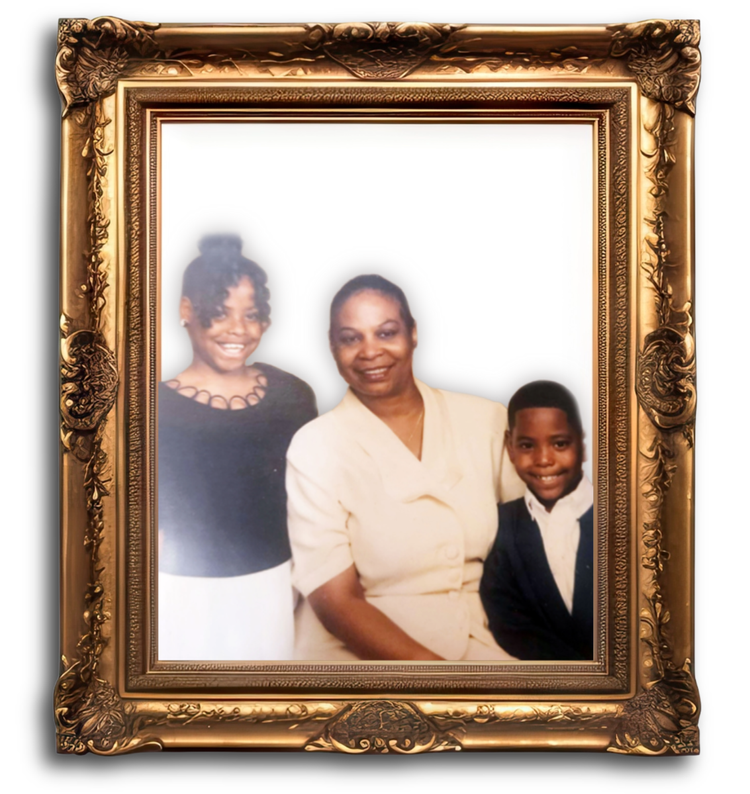
Linda C. James pictured here with the two grandchildren she raised.

From Caregiver to Podcaster

When Nancy Treaster’s husband was diagnosed with dementia at 60, her world shifted dramatically. She became the primary caregiver for both him and her father-in-law with Alzheimer's. Nancy candidly discusses the emotional impact and the resilience that fueled her journey to help others.

Watch The Caregiver Left Behind: One Woman’s Story of Love, Loss, and Resilience

“Yogatta” Take Care of Yourself

There are times when caregiving can be anything but peaceful! It’s important to make time for self-care activities that recharge your physical and mental energy. Engage in activities you enjoy, such as reading, walking, meditating, or practicing yoga.

Research conducted by the National Institutes of Health (NIH) shows that consistent yoga practice reduces stress, anxiety, and depression, while enhancing sleep quality, life satisfaction, and mindfulness. Just 12 minutes of daily yoga can lower stress hormones and even protect cells against aging.

Join this virtual 20-minute class called Simple Yoga Moves for Moments of Overwhelm available through NYS Office for the Aging GetSetUp and begin your yoga journey to improved health and wellbeing!
Simply create an account and see all there is to learn— it’s free!

We care for our grandkids and need help now

Dear Doris,
We are grandparent caregivers (kindship caregivers) for two toddlers. My husband had open heart surgery, and we need to get to the doctor (he won't go without me due to anxiety/panic) but we don't have a sitter for our babies.

 Read More 

August is National Wellness Month

Although prioritizing your health and overall wellbeing is always important, National Wellness Month reminds us of the critical role that self-care plays in our lives. For those who are caring for a loved one, it becomes even more vital to carve out moments for activities that not only sustain but also enhance your physical and mental health.

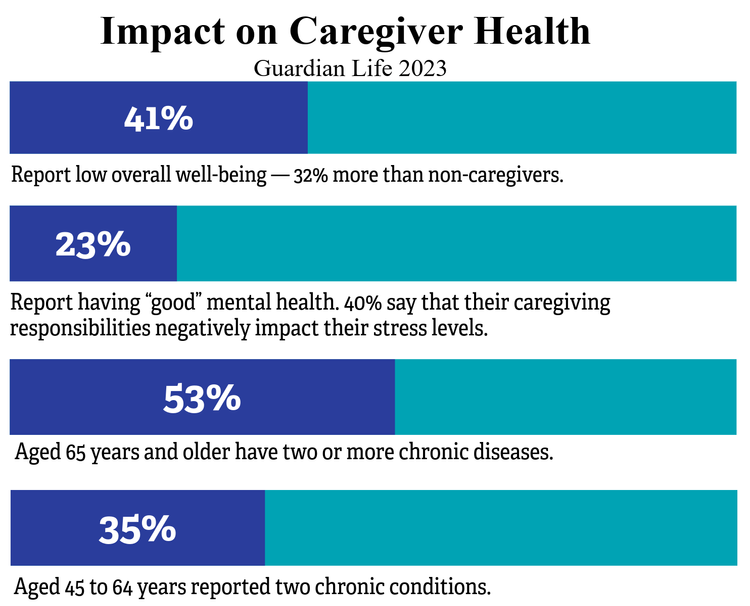
Many face caregiver burnout, often resulting from neglecting their own well-being, leading to fatigue, exhaustion, and heightened stress levels. Studies show that stress and chronic illness are more prevalent in family caregivers than the general population.

This article featured on the University of Arizona A News website serves as an excellent resource for caregivers seeking balance in their lives.

Serving Up Compassion

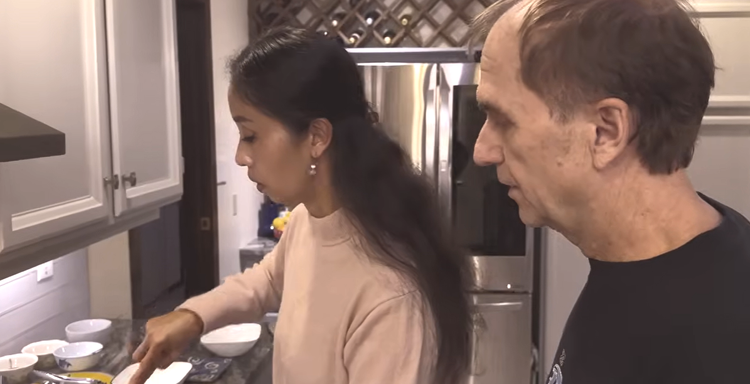
Dayu and Alan's lives changed drastically when Alan became legally blind due to retinitis pigmentosa, leading them to relocate from Bali to Victoria, British Columbia for improved healthcare. A beloved Indonesian noodle dish symbolizes their enduring bond and love amidst life's changes. See their story on the Stories for Caregivers YouTube channel.

Recipes for Connection: Love You, Love Mee Goreng

 Register here 

Planning Ahead Together: Legal, Financial and Long-Term Care Conversations for Parkinson’s: August 5 at 12:00-1:00 PM This virtual presentation offered by The Michael J. Fox Foundation will highlight how careful planning can safeguard your desires, assist your family, and ensure readiness for future care requirements. Join David A. Kubikian of Herzog Law Firm for an insightful discussion on legal, financial, and long-term care planning for those affected by Parkinson’s, covering aging in place, independence, care options, and resource identification. Learn more and register

Voices of Care Summit: A National Schizophrenia Caregiver Experience A Virtual Summit for Family Caregivers Living the Journey Together: August 6 from 2:00-4:00 PM ET Join Caregiver Action Network for Voices of Care, a groundbreaking virtual summit uniting caregivers, advocates, and storytellers for an open dialogue on supporting those with schizophrenia. Learn more and register

Care Connection Webinar: Depression or Dementia? Understanding the Differences: August 13 at 1:00-2:00 PM ET with two others offered in September and November.
This webinar will examine the overlap between depression and dementia symptoms, highlighting their similarities, differences, misdiagnosis risks, and strategies for accurate recognition. Offered by the Alzheimer’s Foundation of America. Learn more and register

Resource: Alzheimer’s and Dementia Care Videos User Guide This series of videos was produced by the Multicampus Programs in Geriatric Medicine and Gerontology (MPGMG) at the David Geffen School of Medicine, UCLA. They offer practical strategies that can be utilized across various environments, ensuring a safe and comfortable atmosphere for both individuals with dementia and their caregivers. Access the videos

Resource: Navigating Mental Health Systems as Caregivers This podcast presented by the National Alliance on Mental Illness (NAMI) focuses on the systems surrounding mental health and the support for those caring for individuals with mental health challenges. It centers on the NAMI Family Caregiver HelpLine and Crisis Can’t Wait resources, while also offering guidance on navigating mental health care systems. Listen to the podcast

Resource: Caregiving Through Amyloidosis (ATTR): A Guide for Families
Caring for someone with ATTR can feel overwhelming, especially at first. Caregivers often juggle the intricate medical realm alongside the heavy emotions of a serious diagnosis. This course/guide from the Caregiver Action Network brings together insights from real caregiver experiences and practical information to help you feel better prepared and less alone as you manage the day-to-day realities of the disease.

Powerful Tools for Caregivers Series (six weeks): Every Wednesday from 2:00-3:30 PM ET from September 16-October 21. This FREE, in-person self-care series will help family caregivers learn to reduce stress, change negative self-talk, communicate more effectively, manage emotions, and make tough decisions. Sessions held in Batavia, NY (exact location to be determined). Register no later than September 8 by calling 585-343-1611.

NY Connects No Wrong Door System: Linking Caregivers to Supports: August 12 from 1:00-2:00 PM ET This FREE webinar, sponsored by NYSCRC will provide an overview of New York's Aging and Disability Resource Center. NY Connects is a trusted service that provides individuals in need of long-term services and supports (LTSS) with free, objective information and assistance to access resources and programs available in their community.
Learn more and register

What’s Your Worth?

Caregiver self-worth refers to the personal respect and value you assign to yourself while caring for another. Poor self-worth is often the result of stress, lack of thanks, and guilt. According to the Family Caregiver Alliance, you can increase your self worth by:

Practicing Self-Compassion: Treat yourself with the same kindness you give to the person in your care.

  • Setting Clear Limits: Learn to say no when you are asked to do too much.

  • Acknowledging Small Wins: Notice tiny moments of connection, peace, or progress.

  • Taking Real Breaks: Step away for rest, good food, or hobbies without feeling guilty.

This 13-minute meditation practice can help put you on the road to understanding your self worth. Give it a try!

You Are Enough - A Guided, Healing Mindfulness Meditation


NY Connects links individuals to long-term services and supports regardless of payment source/health insurance, whether it be private pay, public or a combination of both. Through the provision of free, comprehensive, objective information and assistance about long-term services and supports, NY Connects empowers individuals and families to identify available services and supports and choose what will best meet their needs at home, in the community, and as necessary, in residential or institutional settings.

To learn more, call: 1-800-342-9871 or visit www.nyconnects.ny.gov 

This publication is supported by the Administration for Community Living (ACL), U.S. Department of Health and Human Services (HHS) as part of a financial assistance award totaling $1,599,999 with 75 percentage funded by ACL/HHS of $1,200,000 and $399,999 and 25 percentage funded by non-government source(s). The contents are those of the author(s) and do not necessarily represent the official views of, nor an endorsement by, ACL/HHS, or the U.S. Government.

We understand that your inbox might be flooded with emails, but we really value your connection! If you wish to opt out of this particular mailing list, kindly click this link. Please note that using the "unsubscribe link" below may result in being taken off all communications from NYSCRC.

 
NYSCRC

1900 S. Clinton Avenue, Rochester, NY 14618, United States

Powered by Squarespace

Unsubscribe